
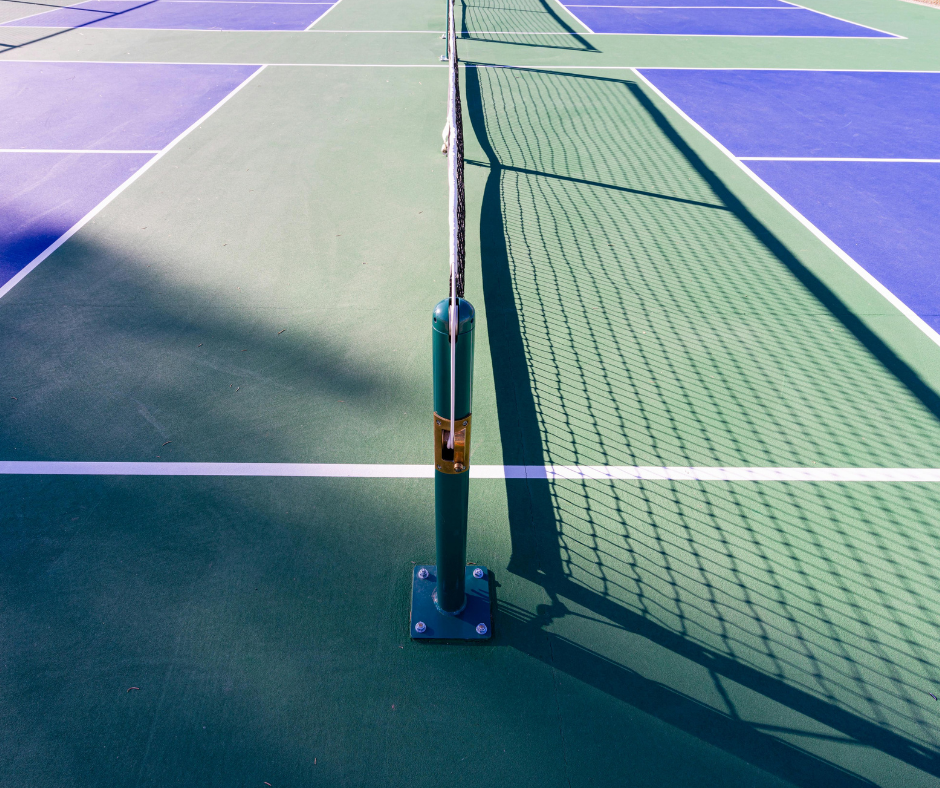
Pickleball is one of the fastest-growing sports in the country — and for good reason. It’s social, competitive, and a great way to stay active at any age. But for many players, knee pain becomes the one thing that threatens to take them off the court.
Keep your Knees Healthy and Continue Playing Pickleball
Whether it shows up as soreness after a match, stiffness the next morning, or sharp pain during quick direction changes, knee pain can quickly turn pickleball from fun into frustrating. The good news? Knee pain doesn’t mean you have to stop playing.
Why Pickleball Is Tough on the Knees
Pickleball places unique demands on the knee joint. Frequent starts and stops, lateral movements, lunging for shots, and quick pivots all increase stress on the knees — especially if there are underlying movement issues.
Common contributors to pickleball-related knee pain include:
-
Weakness in the hips and glutes
-
Limited ankle or hip mobility
-
Poor shock absorption during movement
-
Muscle imbalances from years of repetitive activity
-
Old injuries that were never fully rehabilitated
When these factors are present, the knee often becomes the “victim,” even though the real problem starts elsewhere.
Signs Your Knee Pain Shouldn’t Be Ignored
Many pickleball players try to push through discomfort, assuming it’s normal soreness. However, these warning signs suggest it’s time to seek help:
-
Knee pain that worsens during or after playing
-
Swelling or stiffness following matches
-
Pain with stairs, squatting, or getting up from a chair
-
A feeling of instability or weakness in the knee
-
Reduced confidence when moving side to side
Ignoring these symptoms can lead to chronic pain and time away from the court.
How Physical Therapy Helps Pickleball Players
At Midland Sports Rehab and Active Orthopedics, physical therapy focuses on helping pickleball players move better, feel stronger, and stay on the court longer — not just rest and wait for pain to disappear.
Physical therapy for pickleball-related knee pain may include:
-
A comprehensive movement and gait analysis
-
Strengthening of the hips, quadriceps, and stabilizing muscles
-
Mobility work for the hips, ankles, and knees
-
Manual therapy to reduce stiffness and improve joint motion
-
Sport-specific exercises that mimic pickleball movements
-
Education on injury prevention and proper mechanics
By addressing the root cause of knee pain, physical therapy helps reduce stress on the knee and improves overall movement efficiency.
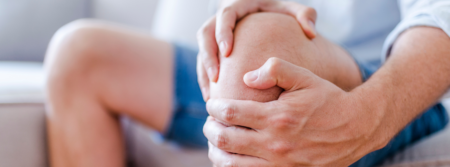
Knee pain relief at Midland Sports Rehab and Active Orthopedics
More Than Just Pain Relief
The goal isn’t only to reduce pain — it’s to help you play pickleball with confidence again. Many patients notice:
-
Less knee pain during and after games
-
Improved balance and lateral movement
-
Better endurance on the court
-
Increased confidence with quick pivots and lunges
With the right plan, many pickleball players return to play stronger than before.
Book Now
If knee pain is limiting your pickleball game — or making you hesitant to stay active — early treatment can help prevent long-term issues.
👉 Book your appointment today at Midland Sports Rehab or Active Orthopedics to help you stay active and pain-free.
📞 Call 989.341.1070 to schedule
📍 Midland Sports Rehab
4710 Eastman Avenue, Midland, MI 48640
📍Active Orthopedics
317 E Wackerly St, Midland, MI 48642


