
By Luiza Muller, Assisted Stretch Therapist
If you deal with headaches or migraines, you probably have your own routine when one starts coming on.
Maybe you take something, drink some water, turn the lights down, or try to get through the day and hope it passes.
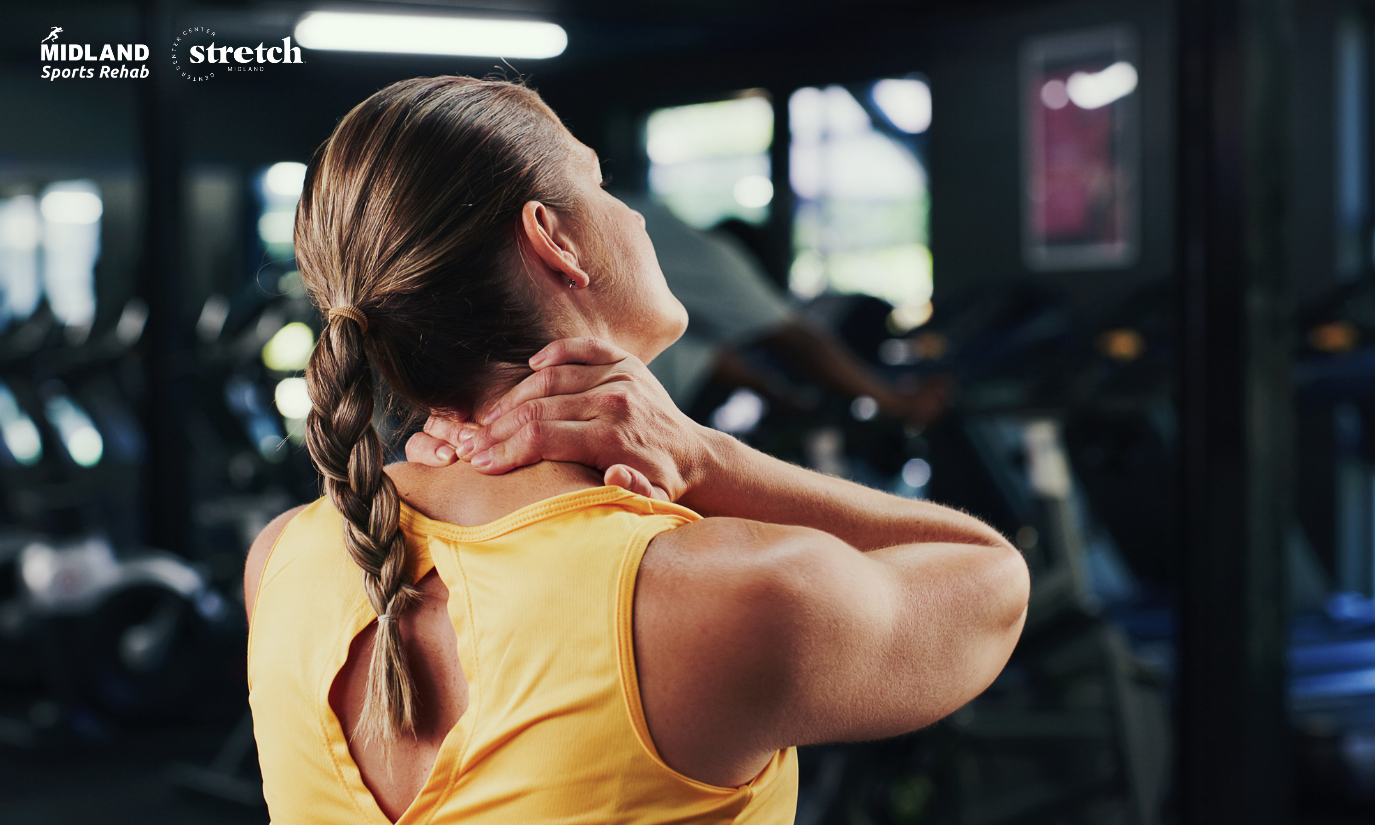
But there’s another area that may be worth paying attention to: your neck and shoulders.
Think about how much time you spend sitting at a computer, looking down at your phone, driving, working, or doing other activities that keep your head and arms in the same position for long periods of time. By the end of the day, it’s pretty common to notice that your shoulders are tense or your neck feels stiff.
Sometimes, that tension can become so normal that you barely notice it anymore.
That doesn’t mean tight muscles are the cause of a migraine. Migraines are complex and can have many different triggers. However, neck pain, stiffness and muscle tension can occur alongside headaches and migraines, which makes mobility and muscle tension worth considering as part of the bigger picture.
So, Can Assisted Stretching Help?
Assisted stretching isn’t a cure for migraines, and it shouldn’t replace medical care or treatment from a healthcare provider. However, research has looked at stretching, manual therapy and neck-focused exercise for people experiencing migraines and other types of headaches. Some studies have found improvements in headache symptoms, neck pain and range of motion, although results can vary from person to person.
For someone who experiences headaches and also has noticeable tightness or restricted movement through the neck, shoulders or upper back, assisted stretching may be one helpful part of an overall approach to mobility and wellness.
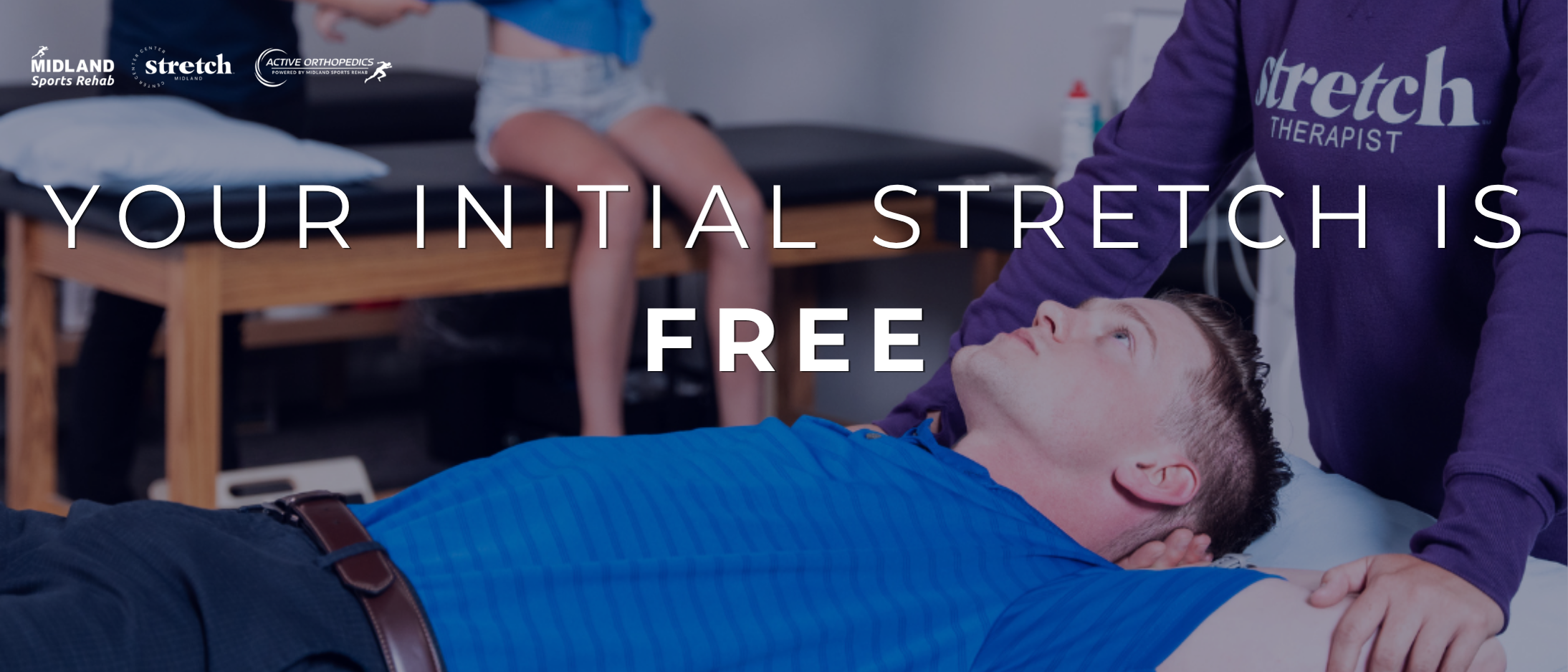
During an assisted stretching session, a therapist can help guide the body through controlled stretches and comfortable ranges of motion. This can make it easier to work on areas that may be difficult to stretch effectively on your own.
Your Body May Be Giving You Little Clues
Neck and shoulder tension doesn’t always show up as obvious pain.
It might look like constantly rolling your shoulders throughout the day.
It might mean stretching your neck from side to side because it feels stiff. Maybe turning your head while driving feels restricted.
Maybe your upper back feels tight after sitting at your desk.
Or maybe you notice that you carry your shoulders higher and tighter when you’re stressed.
None of these things automatically mean your neck is causing your headaches. But they can be signs that your body isn’t moving as freely as it could.
And that’s something worth paying attention to.
“A lot of people don’t realize how much tension they hold in their shoulders until we start working on it.
They’ll say, ‘Wow, I didn’t even know I was that tight.”
— Luiza Muller, Assisted Stretch Therapist
Stretching Isn’t Just About Flexibility
When people hear “stretching,” they often think about touching their toes or holding a stretch before a workout.
Assisted stretching can be much more specific.
The goal isn’t necessarily to become extremely flexible. It’s about helping the body move comfortably through its available range of motion and giving attention to areas that feel tight or restricted.
For someone who spends most of their day sitting, that might mean focusing on the neck, shoulders, chest and upper back. For someone who is active, it could mean working on hips, hamstrings, calves or other areas that become tight from exercise.
Everyone’s body and needs are different.
Don’t Ignore the Little Things
If headaches or migraines are a regular part of your life, it’s important to talk with your healthcare provider about your symptoms and treatment options.
At the same time, it can be helpful to start paying attention to how your body feels throughout the day.
Are your shoulders constantly tense?
Does your neck feel stiff by the end of the workday?
Do you have trouble turning your head comfortably?
Does your upper back feel tight after sitting for several hours?
These may seem like small things, but they can tell you a lot about how your body is moving.
You don’t have to wait until something becomes painful before you start paying attention to your mobility.
Assisted stretching can be a simple way to make mobility part of your routine, address areas of tightness, and help you feel more comfortable in your everyday movement.
Sometimes, taking care of your body really does start with noticing the little things.
Ready to Get Started?
👉 Book your appointment today at Midland Sports Rehab
📞 Call: 989.341.1070
Midland Sports Rehab
📍 4710 Eastman Avenue
Midland, MI 48640


