

Golf may look like a low-impact sport, but the repetitive rotational movements and powerful swing mechanics place significant stress on the body. Whether you’re a competitive golfer or a weekend player, limitations in mobility, strength, or flexibility can affect your swing and lead to injuries.
At Midland Sports Rehab and Active Orthopedics, we help golfers move better, reduce pain, and improve their swing through targeted physical therapy and assisted stretching programs designed specifically for golf performance.
If your body moves better, your swing naturally improves.
Why Your Body Plays a Bigger Role in Your Golf Swing Than You Think
Many golfers focus only on swing mechanics, but your body’s mobility and strength have a huge influence on how efficiently you can swing the club.
A proper golf swing requires:
-
Thoracic spine rotation
-
Hip mobility
-
Core stability
-
Shoulder flexibility
-
Balance and coordination
When these areas are restricted, your body compensates—often putting stress on other joints and muscles. These limitations can lead to inconsistent swings, decreased power, and eventually pain or injury.
That’s why improving your physical movement patterns is one of the most effective ways to improve your golf game.
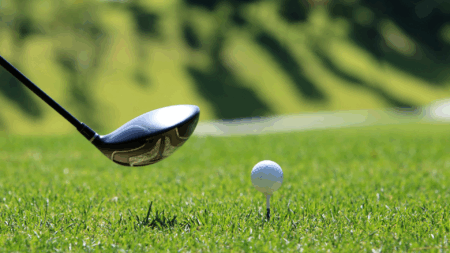
TPI Golf Analysis and Assisted stretching to improve golf swing and game at Midland Sports Rehab
Common Physical Problems We See in Golfers
At Midland Sports Rehab and Active Orthopedics, we frequently see golfers dealing with movement limitations that affect their performance on the course. Some of the most common issues include:
Limited hip mobility
Your hips generate power in the golf swing. If they don’t rotate properly, your lower back often compensates.
Poor thoracic spine rotation
The mid-back is designed to rotate during your backswing and follow-through. Restrictions here can limit swing range and power.
Shoulder stiffness
Tight shoulders can prevent a full backswing and reduce control of the club.
Core weakness
A strong core stabilizes the spine and transfers power from your lower body to your upper body.
Muscle tightness and joint restrictions
Tight muscles or stiff joints can disrupt the natural flow of your swing. These movement restrictions can lead to inefficient swing mechanics and increased injury risk.
Common Golf Injuries We Treat
Even though golf is not considered a contact sport, injuries are very common due to repetitive swinging and rotational stress.
Some of the most frequent golf-related injuries include:
-
Lower back pain
-
Golfer’s elbow (medial epicondylitis)
-
Rotator cuff injuries
-
Wrist and forearm tendonitis
-
Hip impingement
-
Knee pain
Lower back pain alone affects a large percentage of golfers due to the rotational forces placed on the spine during a swing.
Without addressing the root cause—often mobility or strength limitations—these injuries can continue to come back season after season.
How Midland Sports Rehab Helps Improve Your Golf Swing
Our team takes a movement-first approach to improving your golf performance. Instead of trying to change your swing, we improve how your body moves so your swing can become more efficient.
1. Movement Assessments
We begin by evaluating:
-
Mobility
-
Strength
-
Balance
-
Joint restrictions
-
Movement patterns
This helps us identify exactly what is limiting your swing.
2. Assisted Stretching for Golf Mobility
One of the most effective ways to improve your swing is through assisted stretching.
Our assisted stretching sessions help:
-
Increase hip rotation
-
Improve spinal mobility
-
Reduce muscle tightness
-
Improve shoulder range of motion
-
Increase overall flexibility
Stretching key golf muscles like the hips, spine, shoulders, and legs improves range of motion and reduces injury risk.
Many golfers notice:
-
Better swing rotation
-
More power
-
Less stiffness
-
Improved consistency
3. Targeted Strength and Stability Training
Once mobility improves, we reinforce those new movement patterns with strength training focused on:
-
Core stability
-
Hip strength
-
Rotational control
-
Shoulder stability
This helps transfer power efficiently through your swing while protecting your joints.
4. Injury Treatment and Recovery
If you’re already dealing with pain, our team can help treat the underlying issue so you can get back to playing.
We provide treatments such as:
-
Dry needling
-
Manual therapy
-
Corrective exercise programs
These therapies restore strength, flexibility, and movement so you can return to the course safely.
Who Can Benefit from Golf Performance Therapy?
Our golf-focused treatments help:
-
Weekend golfers looking to improve their game
-
Golfers dealing with pain or stiffness
-
Players recovering from injuries
-
Athletes wanting more power and rotation in their swing
Whether you’re trying to hit longer drives or simply finish 18 holes without pain, improving how your body moves can make a huge difference.
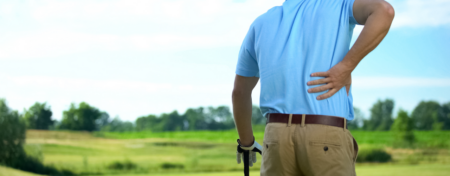
Improve Your Golf Game at Midland Sports Rehab
If your swing feels restricted, inconsistent, or painful, your body—not your technique—may be the limiting factor.
At Midland Sports Rehab and Active Orthopedics, our team helps golfers improve mobility, prevent injuries, and move better so they can perform their best on the course.
Through assisted stretching, movement assessments, and targeted therapy, we help golfers unlock better swings and healthier bodies.
Your best golf starts with better movement.
👉 Book your appointment today at Midland Sports Rehab or Active Orthopedics
📞 Call 989.341.1070 to schedule
📍 Midland Sports Rehab
4710 Eastman Avenue, Midland, MI 48640
📍Active Orthopedics
317 E Wackerly St, Midland, MI 48642