

Summer is here, and with the longer days and warmer weather comes a renewed motivation to get outside. Whether you’re training for a local race, preparing for fall cross country, running around the neighborhood, or simply trying to stay active, summer is one of the busiest seasons for runners of all experience levels.
Unfortunately, it’s also one of the busiest times of year for running-related injuries. Luckily, Physical Therapy can help.
Many runners assume that soreness and pain are just part of training. While some muscle fatigue is completely normal, persistent pain is not. Ignoring discomfort or trying to “run through it” can turn a small issue into an injury that keeps you off the road for weeks—or even months.
At Midland Sports Rehab, our physical therapists work with runners every day to identify the root cause of pain, treat current injuries, and help prevent future ones. The goal isn’t just to get you back to running—it’s to help you run stronger, more efficiently, and with greater confidence.
Why Running Injuries Are So Common During the Summer
Running places significant stress on your body. With every stride, your legs absorb forces that can be two to three times your body weight. When your muscles, joints, or movement patterns aren’t working together efficiently, that stress begins to build in the wrong places.
Summer often increases this risk because many people:
- Increase their mileage too quickly
- Start training for races
- Return to running after a long winter or spring break
- Run more frequently due to the nice weather
- Change their terrain by running on trails, hills, or pavement
- Wear shoes that have already exceeded their recommended mileage
While these changes may seem small, they can place extra strain on your body and lead to overuse injuries.
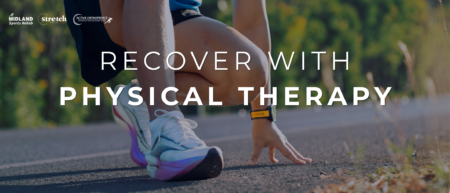
Common Running Injuries We Treat
Runner’s Knee (Patellofemoral Pain Syndrome)
One of the most common complaints among runners is pain around or behind the kneecap.
You may notice discomfort while:
- Running downhill
- Going up or down stairs
- Squatting
- Sitting for long periods after a run
Runner’s knee is often caused by poor hip strength, muscle imbalances, or faulty movement mechanics—not necessarily a problem with the knee itself.
Plantar Fasciitis
Sharp pain in the bottom of your heel—especially with your first steps in the morning—is a classic sign of plantar fasciitis.
This condition develops when the thick band of tissue supporting your arch becomes irritated.
Contributing factors include:
- Tight calf muscles
- Limited ankle mobility
- Weak foot muscles
- Increased running volume
- Worn-out footwear
Without treatment, heel pain can linger for months and make every run uncomfortable.
Shin Splints
Pain along the inside of the shin is common among new runners and those increasing training intensity.
Shin splints often develop from repeated stress placed on the muscles and bone of the lower leg.
If ignored, they can progress into stress reactions or stress fractures that require much longer recovery periods.
IT Band Syndrome
Pain on the outside of the knee often points to irritation of the iliotibial (IT) band.
This injury frequently appears during longer runs and is especially common when running hills or increasing mileage too quickly.
Weakness in the hips and poor running mechanics are often contributing factors.
Achilles Tendon Pain
Your Achilles tendon works incredibly hard with every stride.
If your calves are tight, your ankle mobility is limited, or you’re increasing speed work too quickly, the tendon can become irritated, making running, walking, and even climbing stairs painful.
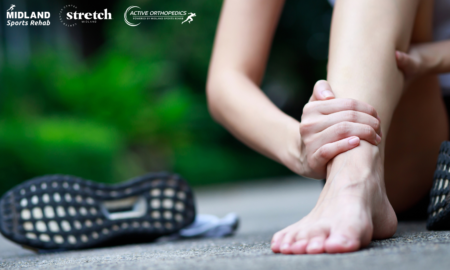
Don’t Ignore the Early Warning Signs
One of the biggest mistakes runners make is assuming pain will simply go away with time.
Your body usually gives you warning signs before an injury becomes serious.
Pay attention if you notice:
- Pain that lasts after your run
- Pain that gets worse with each workout
- Swelling around a joint or tendon
- Stiffness first thing in the morning
- Changes in your running form
- Needing to shorten or skip runs because of discomfort
Addressing these symptoms early often leads to faster recovery and helps prevent more significant injuries.
How Physical Therapy Can Help
At Midland Sports Rehab, we believe successful treatment starts by understanding why you’re experiencing pain—not just where it hurts.
During your physical therapy evaluation, we’ll perform a comprehensive assessment that may include:
- Strength testing
- Flexibility measurements
- Joint mobility assessment
- Balance and stability evaluation
- Running gait and movement analysis
- Functional movement testing
Rather than simply treating symptoms, we identify the underlying factors contributing to your injury.
Your personalized treatment plan may include:
- Hands-on manual therapy to improve mobility and decrease pain
- Targeted strengthening exercises for your hips, core, legs, and feet
- Stretching techniques to improve flexibility
- Balance and neuromuscular training
- Running form education
- Return-to-running progressions
- Education on proper training loads and recovery
Our therapists also help you understand how factors like footwear, training schedules, recovery, and strength training can influence your running performance and injury risk.
Physical Therapy Isn’t Just for Injuries
One of the biggest misconceptions is that you need to be injured before seeing a physical therapist.
In reality, many runners use physical therapy proactively to improve performance and reduce the likelihood of future injuries.
A movement assessment can identify weaknesses, mobility limitations, and inefficient movement patterns before they lead to pain.
Whether you’re training for your first 5K, chasing a marathon personal record, or simply enjoying evening runs with friends, improving how your body moves can help you run farther, recover faster, and feel stronger.
Stay Active All Summer
The best part about summer is getting outside and doing the activities you enjoy—not sitting on the sidelines because of pain.
If your runs are becoming less enjoyable due to knee pain, heel pain, shin splints, hip discomfort, or recurring soreness, don’t wait until the problem gets worse.
Our physical therapy team at Midland Sports Rehab is here to help you recover, move better, and get back to doing what you love.
Whether your goal is to complete your first race, train for the next season, or simply enjoy pain-free miles, we’re ready to help you every step of the way.
Don’t let pain shorten your summer. Schedule a physical therapy evaluation today and discover how expert care can keep you running strong all season long.
👉 Book your appointment today at Midland Sports Rehab
📞 Call 989.341.1070 to schedule
📍 Midland Sports Rehab
4710 Eastman Avenue, Midland, MI 48640
📍Active Orthopedics
317 E Wackerly St, Midland, MI 48642


