
When was the last time you tried to touch your toes?
For many adults, the answer is either “I can’t” or “I haven’t tried in years.” While touching your toes may seem like a simple flexibility test from gym class, it can actually tell you a lot about your overall mobility and movement health.
The good news? Not being able to touch your toes doesn’t necessarily mean you’re out of shape—it simply means your body may need a little extra attention.
Why Can’t I Touch My Toes?
Contrary to popular belief, touching your toes isn’t just about having flexible hamstrings.
Several factors can limit your ability to bend forward comfortably, including:
- Tight hamstrings
- Stiff hips
- Limited mobility in the lower back
- Tight calves
- Poor posture
- Long periods of sitting
- Previous injuries
If one or more of these areas aren’t moving well, your body may compensate, making it harder to reach your toes and increasing strain on other muscles and joints.

Why Does It Matter?
Not being able to touch your toes isn’t a problem by itself. However, the stiffness and mobility restrictions behind it can affect how you move every day.
Limited flexibility may contribute to:
- Lower back discomfort
- Muscle strains
- Poor posture
- Reduced athletic performance
- Difficulty bending, lifting, or squatting
- Increased risk of injury
Whether you’re an athlete, a weekend warrior, or someone who spends most of the day at a desk, mobility plays a major role in how efficiently your body functions.
The Sitting Problem
One of the biggest reasons people lose flexibility is simple: we sit too much.
Hours spent at a desk, in a car, or on the couch can cause the hips and hamstrings to tighten over time. As these muscles become less flexible, everyday movements become more difficult and your body has to work harder to compensate.
That’s why many people feel stiff when they get out of bed, after a long drive, or at the end of the workday.
How Assisted Stretching Can Help
While stretching on your own is beneficial, it can be difficult to target the right areas and achieve meaningful improvements in mobility.
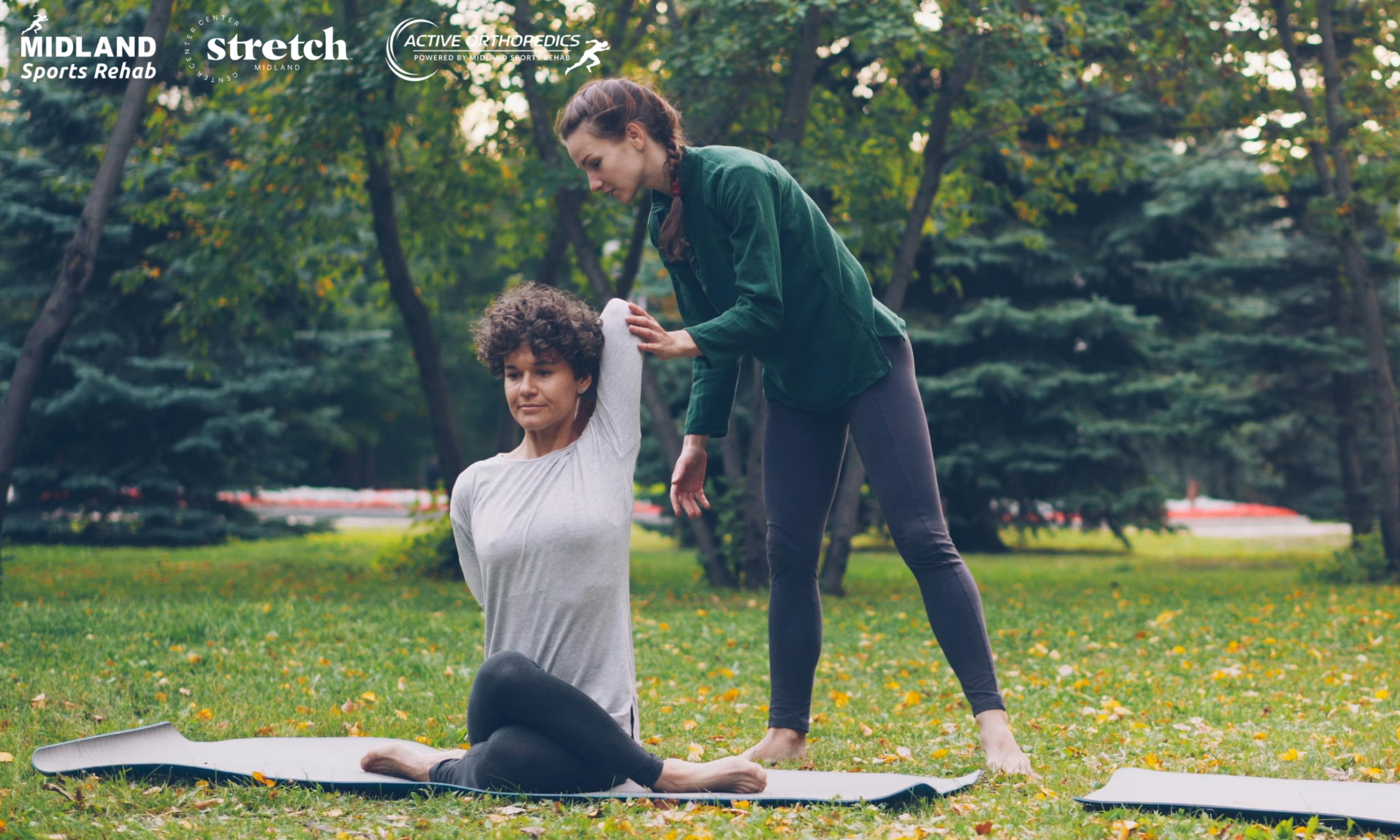
Assisted stretching allows a trained Stretch Specialist to guide your body through customized stretches designed to improve flexibility and range of motion safely and effectively.
Benefits of assisted stretching include:
- Increased flexibility
- Improved mobility
- Better posture
- Reduced muscle tension
- Enhanced athletic performance
- Faster recovery
- Lower risk of injury
Because the stretches are tailored to your specific limitations, assisted stretching can help address the root causes of stiffness—not just the symptoms.

It’s About More Than Touching Your Toes
The goal isn’t necessarily to become a gymnast or win a flexibility contest.
The real goal is to move better, feel better, and keep doing the activities you enjoy without stiffness holding you back.
Whether that’s golfing, running, playing pickleball, gardening, or simply keeping up with your kids or grandkids, mobility matters.
If touching your toes feels impossible, it may be your body’s way of telling you that it’s time to focus on flexibility and movement health.
At Stretch Center Midland, our assisted stretching sessions are designed to help you improve mobility, reduce stiffness, and move with greater confidence—one stretch at a time.
Ready to Get Started?
👉 Book your appointment today at Midland Sports Rehab
📞 Call: 989.341.1070
Midland Sports Rehab
📍 4710 Eastman Avenue
Midland, MI 48640


